Has fast breeder Monju been good for Japan’s energy?
“Has fast breeder Monju been good for Japan’s energy?”
Fast breeder’s electricity is expensive.

“Has fast breeder Monju been good for Japan’s energy?”
Fast breeder’s electricity is expensive.
Japan Should Terminate MOX (plutonium and uranium) Fuel Program, Cease All Shipments from Europe Japan Should Terminate Fast Breeder Reactor and Reprocessing Programs For immediate release: May 18, 2009 Contact: Aileen Mioko Smith (Green Action) 090-3620-9251 Philip White (Citizens’ Nuclear Information Center) +81-3-3357-3800 “We call on the Japanese government and electric utilities to terminate this and future MOX fuel shipments and cease from placing en route countries at risk. We call on countries potentially on the route of future MOX fuel shipments to join us in demanding the termination of these dangerous shipments” stated BAN Hideyuki, secretary-general of Citizens’ Nuclear Information Center (CNIC), Aileen Mioko SMITH, executive director of Green…
Rokkasho. The name might not be well known outside of the anti-nuclear movement, but we hope it will become better known during the NPT Review Conference. Rokkasho is the site of a huge reprocessing plant being constructed on the northern tip of Honshu, the largest island in Japan. In December last year it began uranium trials (testing the processes using depleted uranium). Active trials using spent nuclear fuel are scheduled to begin in December this year and the plant is due to start operations in May 2007. It will then become the first commercial-scale reprocessing plant outside of the nuclear weapons states, extracting 8 tons of plutonium per year from…
10 July 2006Japan's nuclear fuel cycle program has been under development since 1956. Despite several trillion yen (tens of billions of dollars) of ratepayer and taxpayer money spent, the program fails to provide any electricity to the public. Japan's nuclear fuel cycle program is comprised of the development of fast breeder reactor technology, use of mixed (plutonium and uranium) oxide fuel in commercial nuclear power plants, and reprocessing of spent nuclear fuel. None of these have attained commercial-scale use. The Fast Breeder Reactor Program Japan's fast breeder reactor (FBR) program begun under Japan's Long-Term Program for Research, Development and Utilization of Nuclear Energy (LTP) was originally scheduled to attain commercialization…
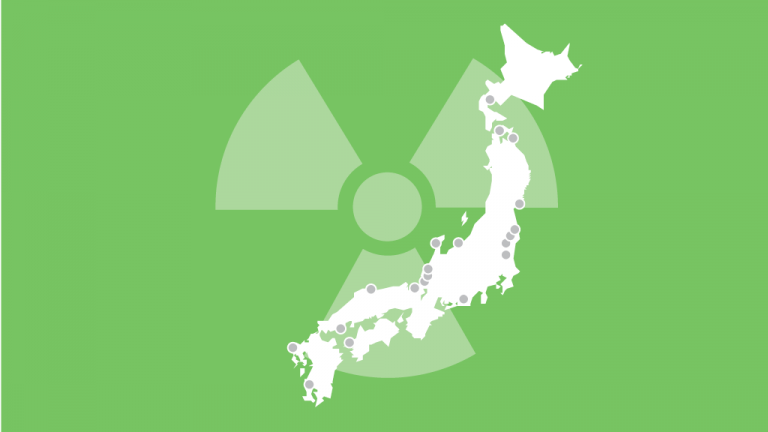
Citizens living up to 70 km (45 mi.) away sued Kansai Electric and won. We want to protect Kyoto’s cultural heritage from radioactive contamination. We want to protect the lagest lake in Japan, Lake Biwa, the water for 14 million people.
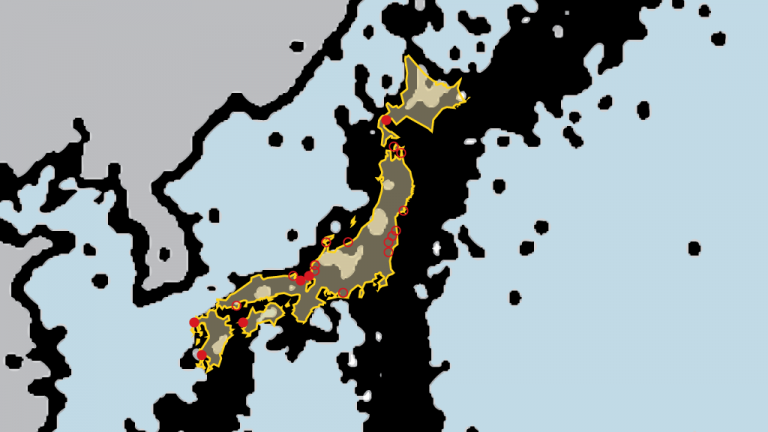
Green Action has played a key role in addressing the problem of active earthquake faults under nuclear power plants in Japan.
Will Japan’s Nuclear Regulator Approve Plans to Restart Reactors Near Super Volcanoes?